Before the brand, there was a sandy pocket.
The Trezur Bag idea predates the company. The idea took shape in 2012 and was revised repeatedly through 2017, when Trezur Bag launched as a product. The current 2026 collection is the eighth season after seven earlier editions.
The first problem was ordinary.
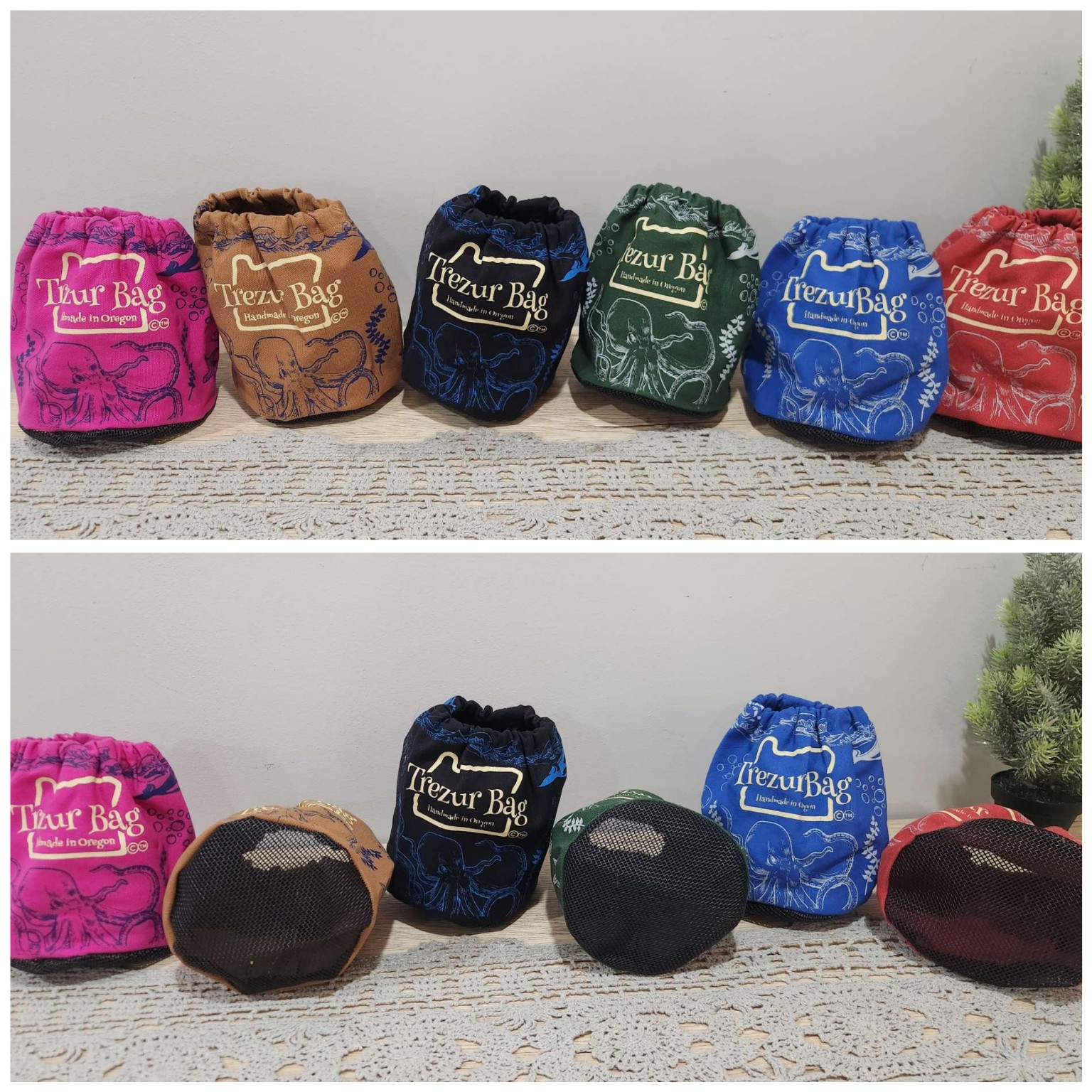
Beach finds went into pockets. Sand came home in those pockets. Plastic bags were awkward for young kids and could rip or drag. The solution became a small fabric bag with a mesh bottom, drawstring and attachment point.
Important distinction: the first prototype dates to late 2012. The Trezur Bag brand and market era came later; current product artwork carries “Est. 2017.”
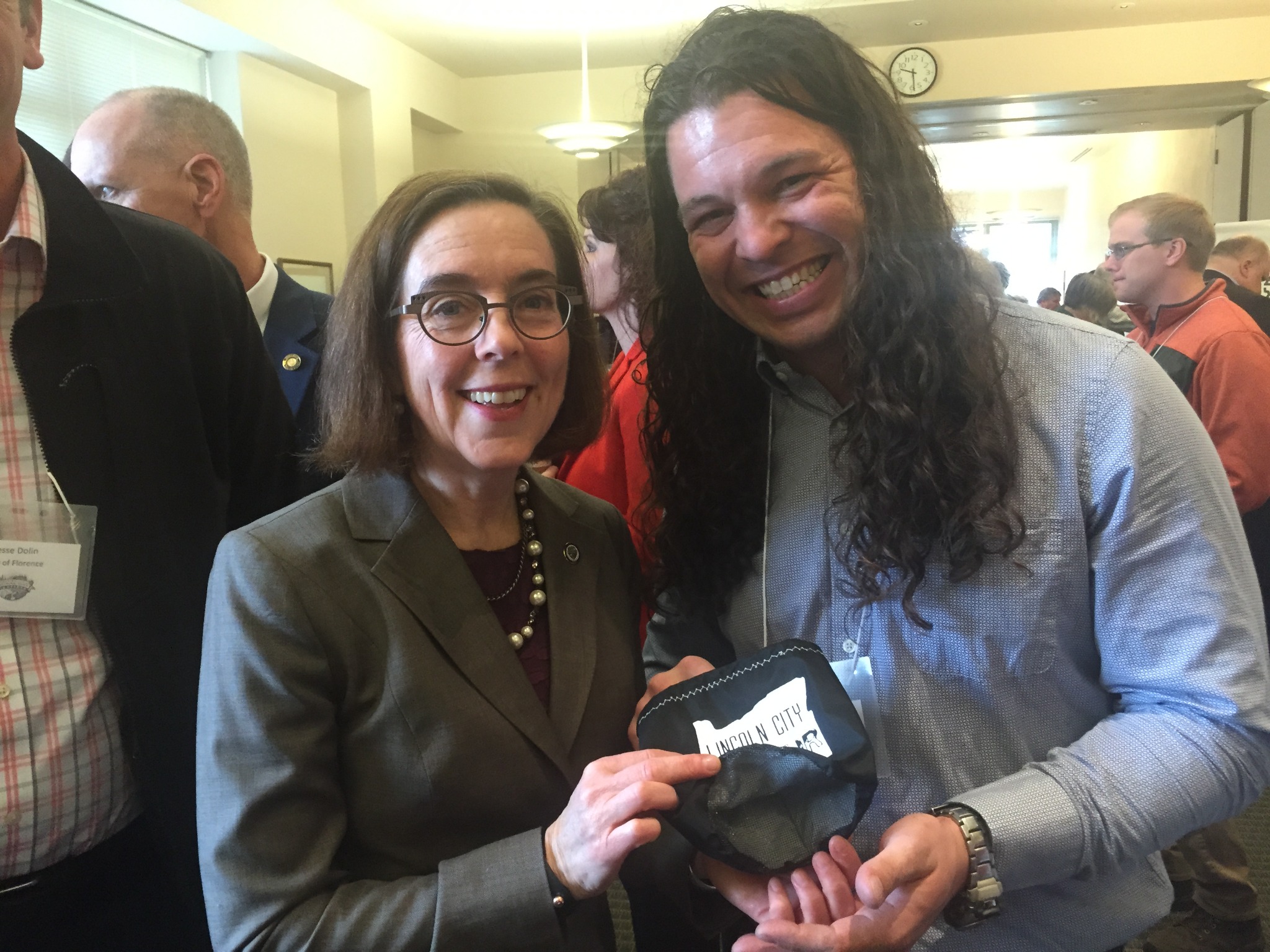
Eight seasons, one evolving idea. Seven earlier editions led to the current eighth season, the 2026 series. The full edition-by-edition archive is being assembled from original photographs and records.
From idea to finished product
The idea came in 2012. For the next five years Riley made, used and revised the bag until it was ready to launch in 2017. A succession of handmade revisions solved problems encountered during real beach trips.
Product launch
After years of revisions, Trezur Bag launches as a product. Local demonstrations, pitching and media appearances introduce the bag to the market.
RAIN, public pitching and local media
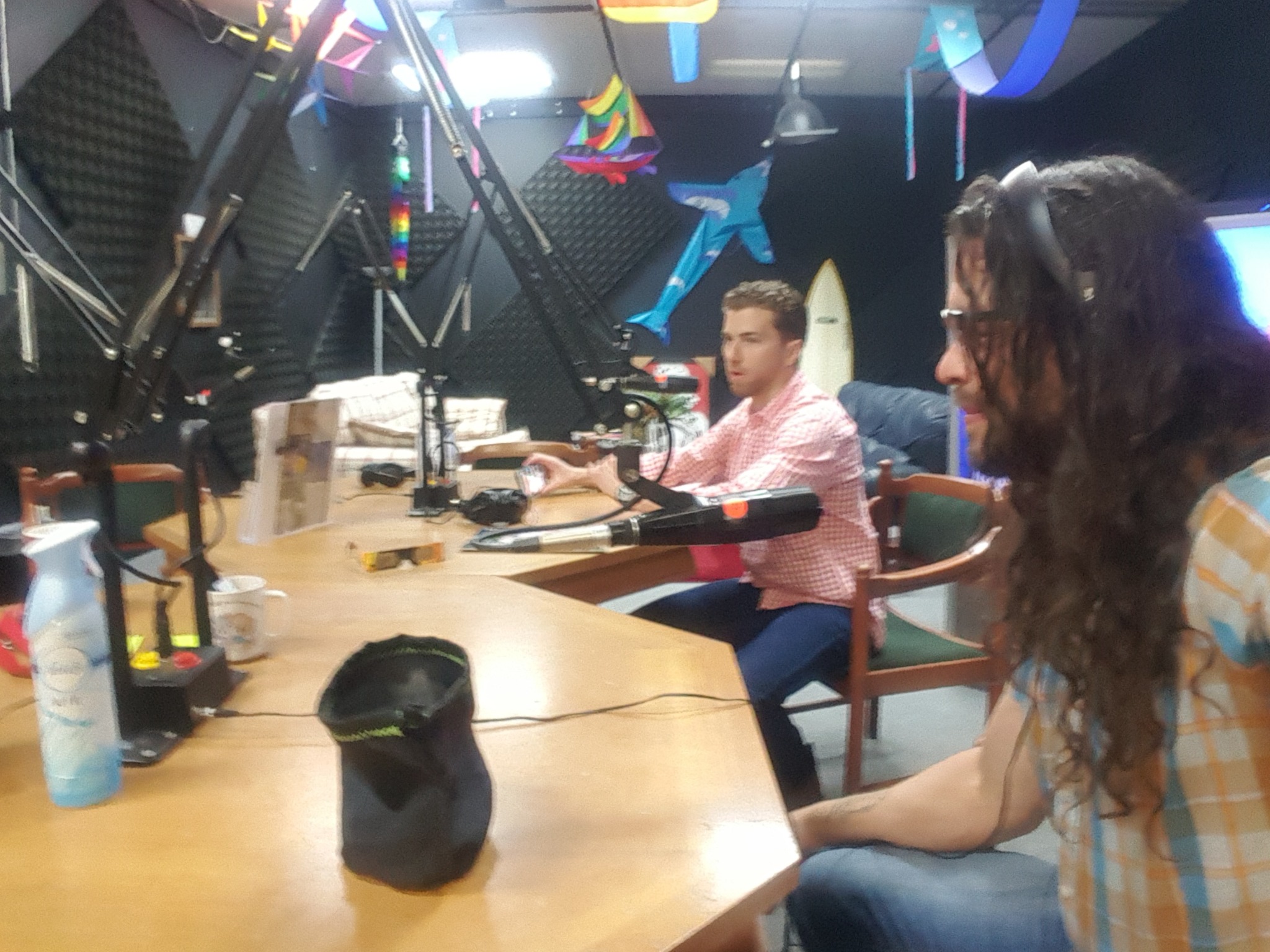
The product is presented through Oregon’s entrepreneurial ecosystem, including RAIN Demo Day. Radio appearances and public events document the early commercial phase.
Logo and lightweight cotton
The Trezur Bag logo takes shape, and lightweight cotton fabric becomes part of the evolving design.
REI Innovator Series application
Trezur Bag is pitched toward REI as an outdoor collecting product centered on family adventures, kids outdoors and leaving sand behind. REI did not become a retail partner.
Duck cloth for durability
Duck cloth becomes the material of choice to make the bag more durable.
Oregon-inspired artwork
Plant and animal life from Oregon becomes a defining part of the artwork.
Foraging Bag appears in business records
Production-cost planning includes the larger Foraging Bag, showing the product family expanding beyond the compact original.
Ocean Collection
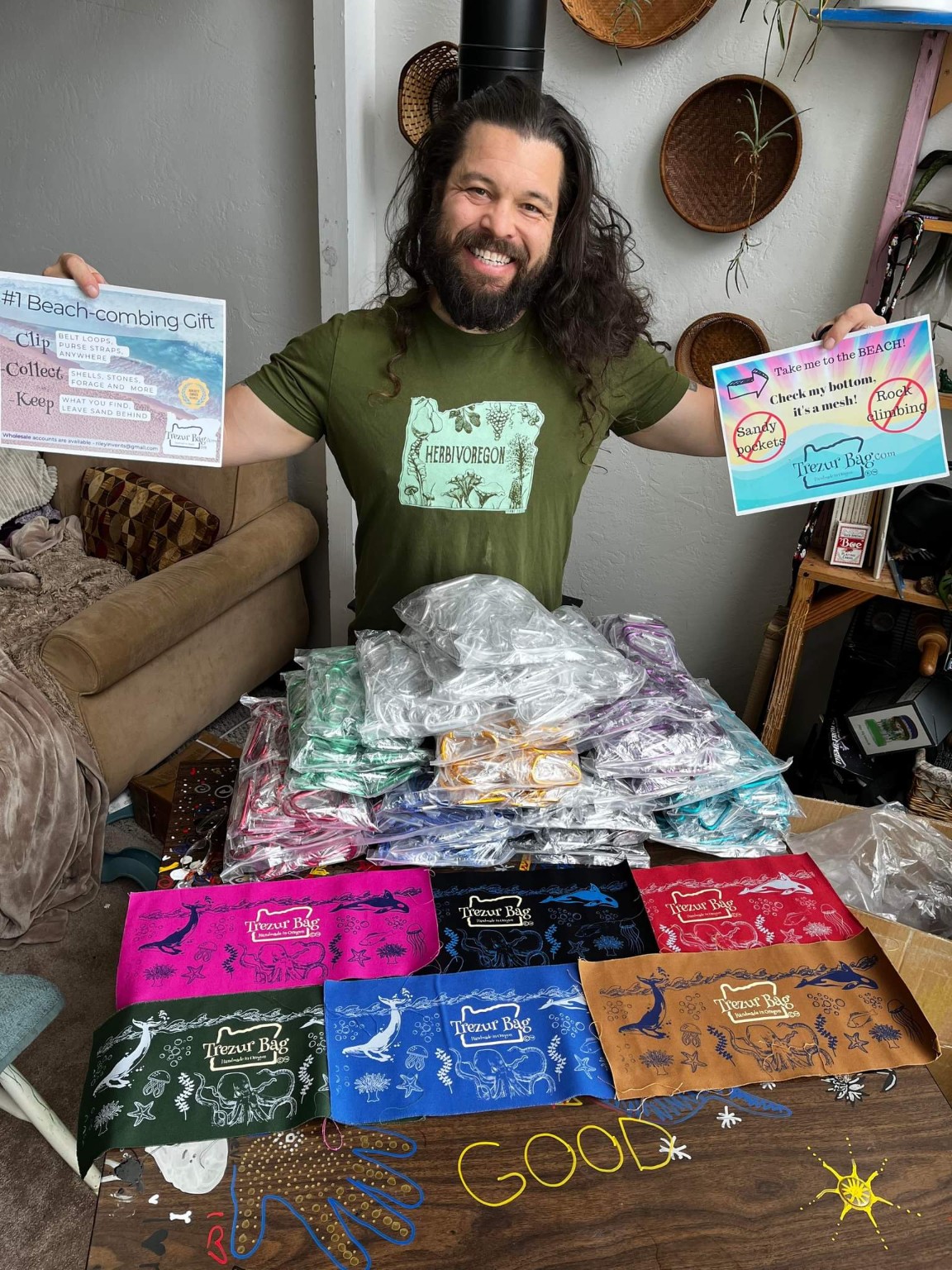
A six-color printed series moves through wholesale accounts and retail placements. The logo and background artwork were updated, continuing the Oregon-inspired design language.
Continued retail placements
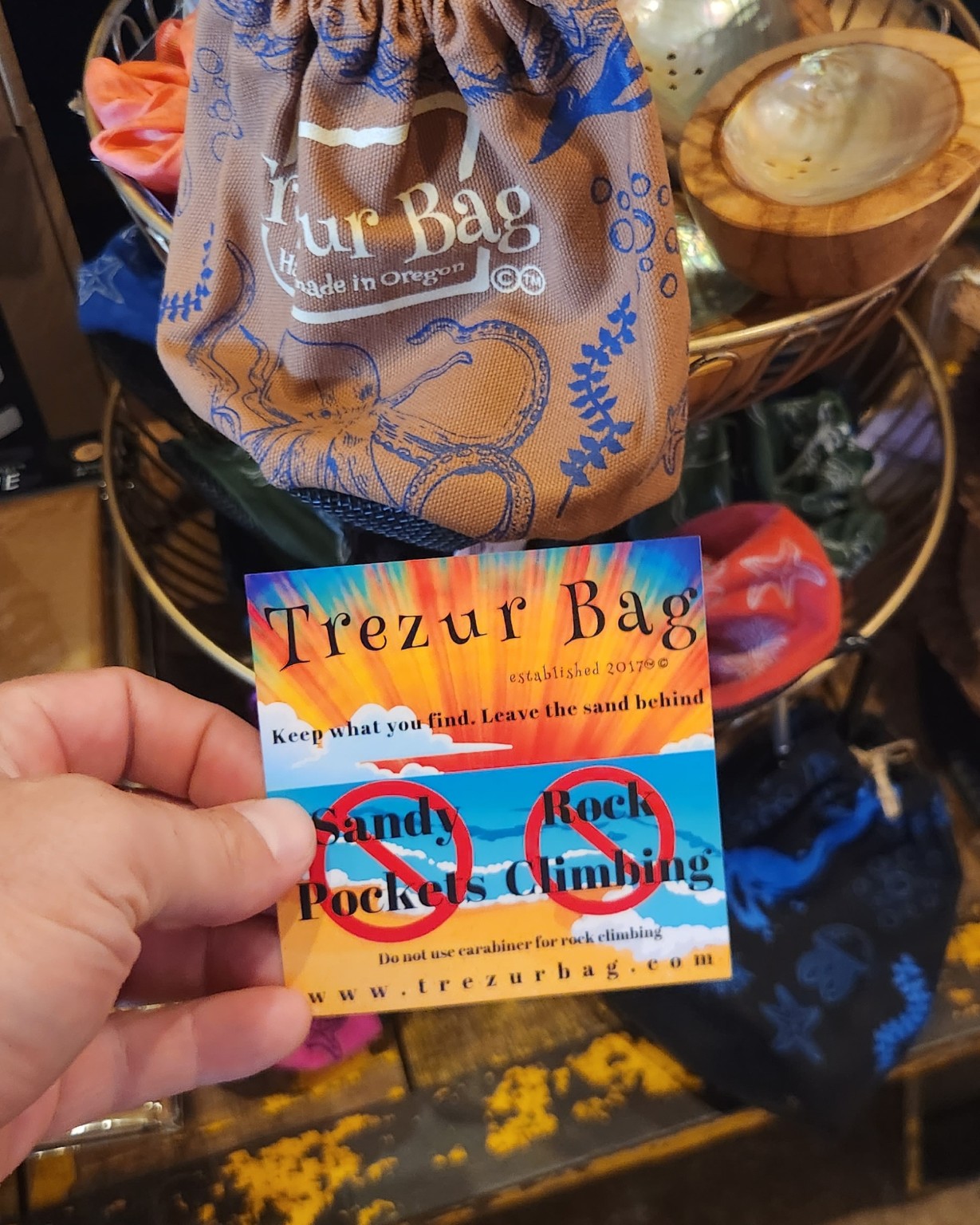
Invoices and account records show the 2022 series continuing into shops in Oregon and Washington.
The eighth edition and a new business chapter
Six current colorways return Trezur Bag to direct sales while custom branding, wholesale/vendor programs and a local-operator path are developed.
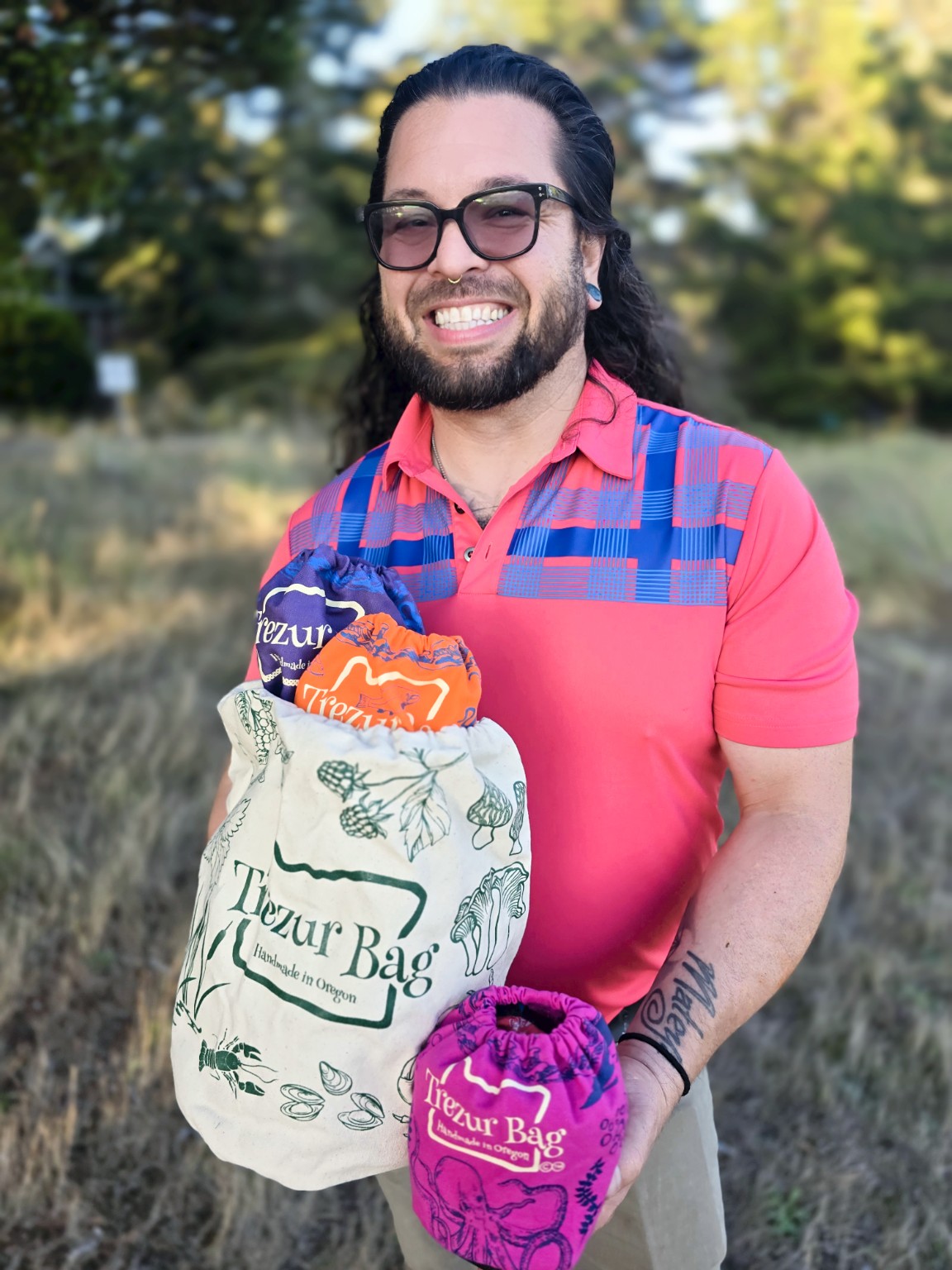
Still made from the same habit: notice a problem, then build the thing.
For ten years, Riley personally sewed every Trezur Bag. Revision after revision came from making them, carrying them, watching families use them and learning what held up in the real world. The current Trezur Bag still carries the same idea that started it all: keep what you find and leave the loose sand and debris behind.
Every version taught us something.
Trezur Bag did not arrive fully formed. It changed through years of sewing, carrying, collecting, testing and listening. These are real chapters in that evolution—not a recreated origin story.